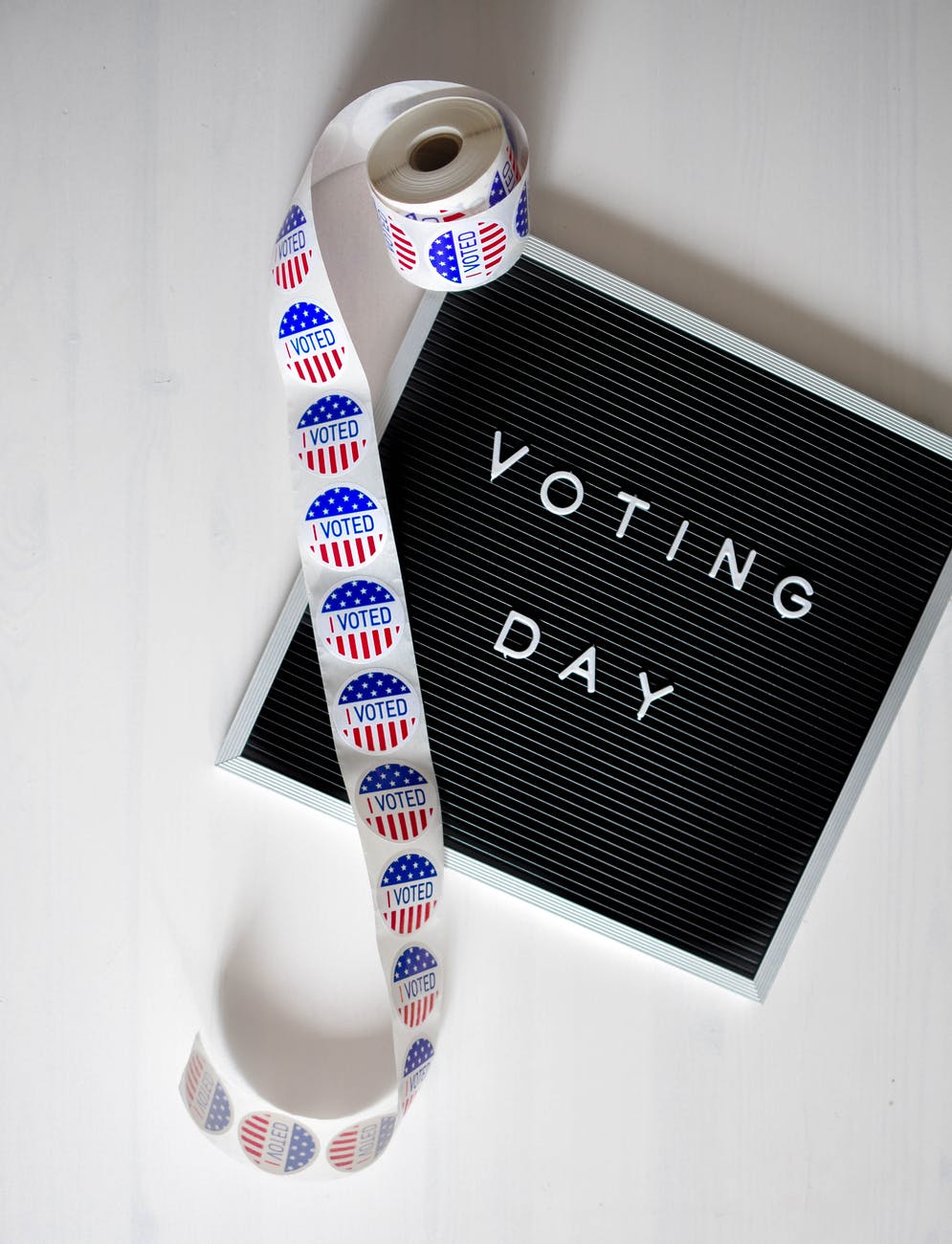
Election Day? Election week? Election month? How long will it be until we find out who the next president is after Election Day?
In ordinary election years, media outlets are oftentimes able to call which candidate is going to win in many states on election night shortly after the polls close. A state is called by a major media outlet when they believe a candidate has an unbeatable lead in the state and the other candidate is unable to surpass them in votes. This is a prediction though, and not a final result. The state will make a final call once all of the results are in.
This year will be much different on election night. With many states primarily using mail in-voting and early voting, some states will not be called on Election Day. This could lead to a several day delay before Americans know who the next president is. Especially since several key battleground states will not begin counting ballots until Election Day. For example, Pennsylvania and Wisconsin have laws that prevent the processing of mail- in ballots until Election Day.
The pandemic has also caused many states to quickly expand mail-in voting. This has resulted in slowdowns in counting ballots and organizing the results of the election.
Based on the primaries in the spring and summer, it took some states several days to count all the votes and process who won. New York processed 94% of the ballots on primary day within a few hours of the polls closing. But counting the final six percent of votes took more than 10 days. There were many races that were too close to call and the winners remained unknown for several weeks.
The three battleground states of Pennsylvania, Wisconsin and Georgia also took several days to release the results of the primaries in the state. These states will play a key role in the outcome of the election, and the likelihood that they will be called on election night is slim.
The four important battleground states of Pennsylvania, Michigan, Wisconsin and North Carolina have tentatively extended the deadline that mail-in ballots can be received by. These changes may impact when Americans will know who the president is. Recently, the Pennsylvania Supreme Court, ruled that ballots can arrive by November 6th, and be counted as long as they are postmarked by Election Day. In Michigan, ballots can be counted as long as they are postmarked by November 2nd and received by November 17. In Wisconsin, ballots can be counted that are postmarked by November 3rd, and arrive by November 9th. Finally, North Carolina reached a tentative court agreement that would allow ballots to be processed as long as they are postmarked by November 3rd, and arrive by November 12th.
The decisions out of these states are not final and can still be overruled. But, if these rules are enforced by Election Day, it will make it easier to vote by mail-in these states, and ballots will continue to come in after Election Day. Media outlets also will most likely be unable to declare a winner in these four states on election night. According to FiveThirtyEight’s presidential forecast, there’s a 56% chance that one of these states will decide the presidency. If these states are not called on election night, the presidency will not be called either
Despite this, 80% of Americans plan to follow the results of the presidential election after the polls close on Election Day very closely or fairly closely. Americans still plan on keeping up with the results, even if the president is not known by the end of the night. By candidate support, 62% of Biden supporters, and 59% of Trump supporters plan on following the results of the presidential election after polls close on Election Day very closely.
Where will Americans be following the results of the election? Most adults, 60%, say they will follow the results on a major national TV network, such as ABC, NBC and CBS. Some are also planning on following the results using social media, with 42% who plan to follow the results that way.
Americans are also largely confident that the news sources they follow will make the right call on election night, with 82% of Americans having a lot or some confidence in the news sources to announce the correct winner.
There will be more absentee and mail-in ballots than in previous elections, and it will take longer to count them. It is important not to rush to call the election on election night, since it will take more time to count the votes. Americans will need to have patience, and confidence in the electoral process.
 Amelia Morel